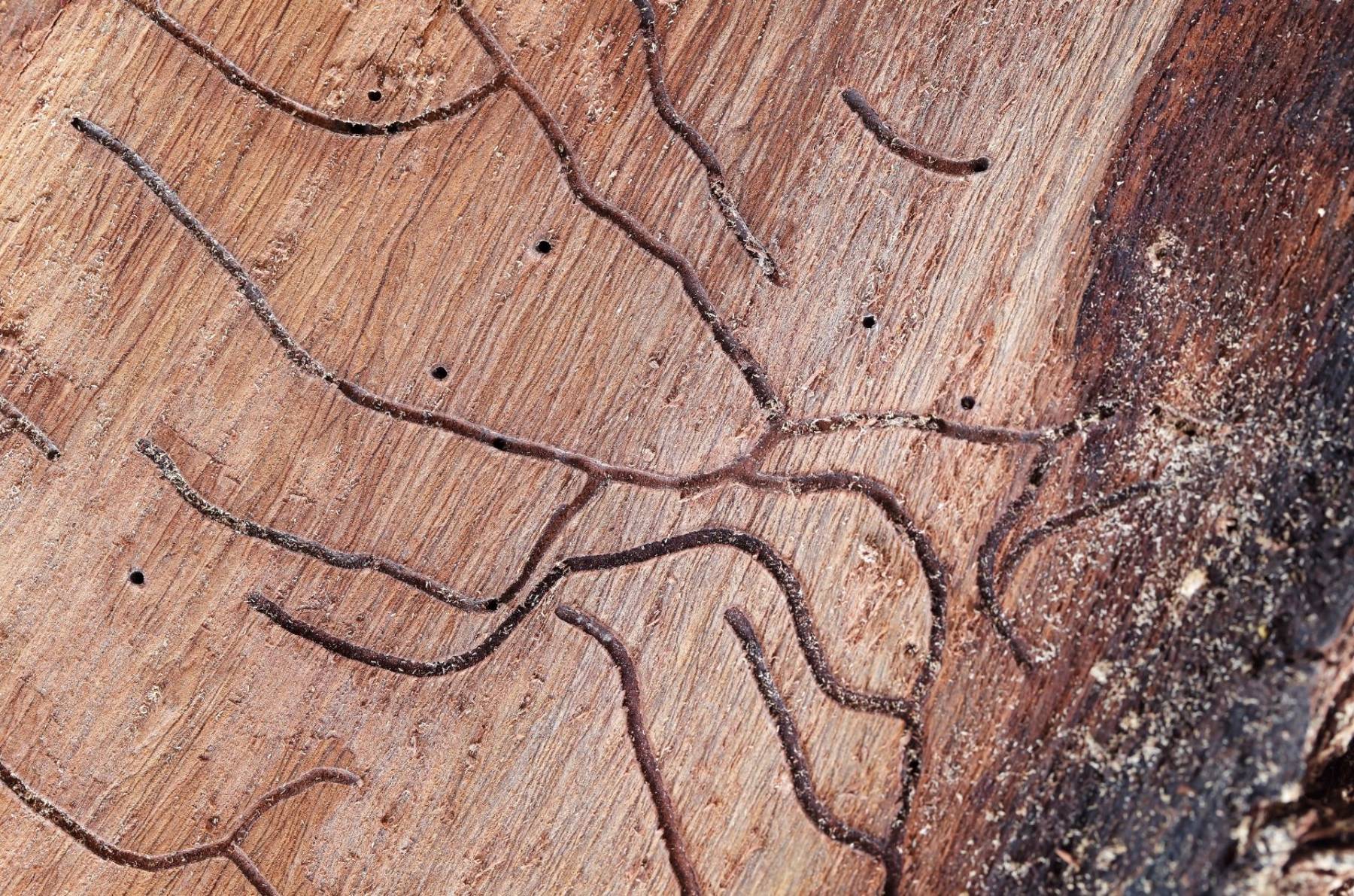
A termite inspection looks for one of the most costly and least visible threats a home can face. Termites work quietly inside walls, floor joists, and support beams, and a piece of damaged wood can look completely normal on the outside while being hollow underneath. In Huntington and the surrounding area, a termite inspection is not an optional extra. It is a core part of protecting your investment.
Termites Are Active Throughout Northeast Indiana
Subterranean termites are the species responsible for the vast majority of termite damage across Indiana, and they are active throughout Huntington County and the surrounding region. According to Purdue University’s Extension Entomology program, termite colonies feed continuously on wood and other cellulose material, and because they operate largely out of sight in soil and wall voids, significant damage can occur well before it becomes visible. A termite inspection is designed to catch signs of this activity before it becomes a costly repair problem.
What a Termite Inspection Actually Looks For
During a termite inspection, I examine the areas of a home most vulnerable to termite entry, including the foundation perimeter, crawl space framing, sill plates, and any wood in direct contact with soil or mulch. I look for mud tubes, which termites build to travel between the soil and a food source while staying protected from open air. I also check for damaged or hollow sounding wood, discarded termite wings near window sills, and moisture conditions that tend to attract termite activity in the first place. A thorough termite inspection combines visual evidence with an understanding of how these insects typically enter a structure.
Why Older Huntington Area Homes Face Added Risk
Many homes throughout Huntington, Columbia City, and neighboring communities were built before modern moisture barriers and pest resistant construction methods were standard. Homes with poor drainage, clogged gutters, or a damp crawl space are more likely to show termite activity than those with good ventilation and grading. A termite inspection is especially valuable before closing on an older property where these conditions are more common.
What Happens If Evidence Is Found
Finding evidence during a termite inspection does not automatically mean a deal is off. Many termite issues are treatable with professional pest control, and any structural wood damage can typically be repaired by a qualified contractor. What matters most is having documented findings before closing so you and your agent can negotiate repairs, treatment, or a price adjustment with full information. A clean termite inspection report also gives you peace of mind and can be a valuable document to keep for future insurance or resale purposes.
Purdue University’s Extension Entomology program publishes detailed guidance on termite biology, prevention, and control. You can review their termite control fact sheet for more background on how these colonies form and spread.
It is also worth remembering that a termite inspection reflects conditions at a single point in time, and new activity can begin at any point after the inspection is complete. Homeowners in wooded or moisture prone areas around Huntington County often benefit from periodic follow up inspections, particularly if landscaping changes, mulch beds, or firewood storage create new conditions that could attract termite activity closer to the home.
Frequently Asked Questions
How long does a termite inspection take? A termite inspection is typically completed alongside a full home inspection and adds a modest amount of time, since it focuses on specific access points like the foundation, crawl space, and basement.
Does a termite inspection guarantee a home is termite free? No inspection can guarantee the complete absence of termites, since some activity occurs in concealed areas that are not visible without removing building materials. A termite inspection identifies visible evidence and conditions conducive to infestation.
Is a termite inspection required to get a mortgage? Some lenders, particularly for VA loans, require a termite inspection before closing. Even when it is not required, most real estate professionals recommend one for older homes or properties with crawl spaces.
What is the difference between a termite inspection and pest control treatment? A termite inspection identifies whether evidence of wood destroying insects is present. If activity is found, a licensed pest control company handles the actual treatment and ongoing prevention.
Protecting your Huntington area home starts with knowing what is really inside its walls. Schedule an Inspection and I will include a full termite inspection as part of your visit.
Proudly serving Fort Wayne, Auburn, Huntington, Decatur, Columbia City, Huntertown, Angola, Bluffton, and the surrounding areas.