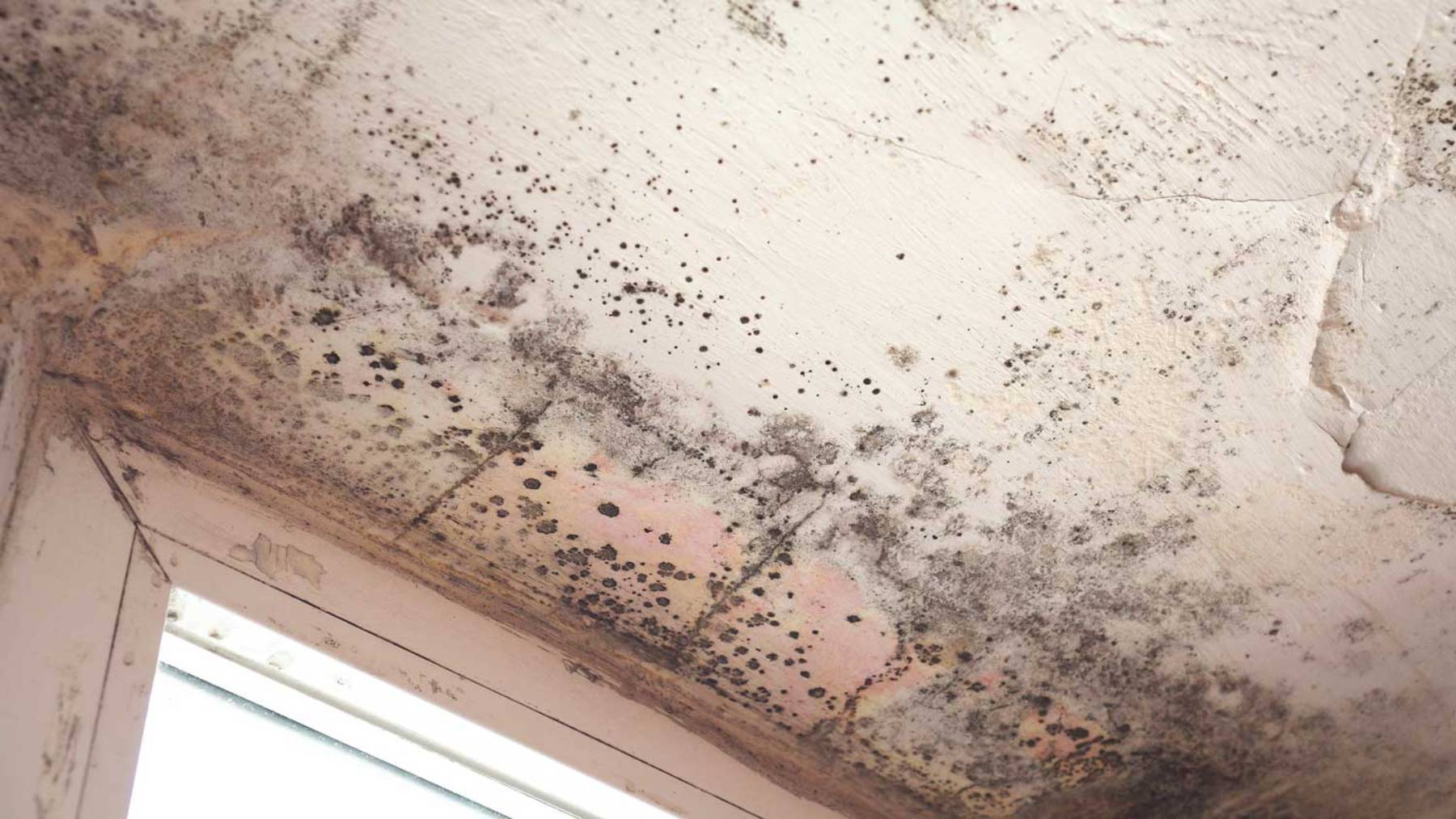
A mold inspection is one of the services I recommend most often for homeowners throughout Auburn and the surrounding DeKalb County area. Mold can develop anywhere moisture is present, and it does not always show up as an obvious stain or a musty smell. A mold inspection gives you a clear, documented answer instead of a guess, which matters most in homes with basements, crawl spaces, or lower levels that are prone to dampness.
How Local Conditions Raise the Stakes for
Homes throughout Auburn and neighboring communities often deal with seasonal moisture swings, from heavy spring rains to humid summer stretches that can push dampness into basements and crawl spaces if drainage and ventilation are not properly managed. A mold inspection helps confirm whether these conditions have already led to active growth somewhere in the home, not just whether the potential exists.
What Happens During a Mold Inspection
During a mold inspection, I walk the property looking for staining, discoloration, warped materials, or a musty odor that suggests hidden moisture behind a wall, ceiling, or floor. When a suspect area is identified, I collect samples using sterile equipment to avoid cross contamination, then send those samples to an accredited laboratory for species identification and spore count analysis. An inspection gives you objective, lab confirmed results rather than relying on a visual guess about how serious a problem might be.
Common Findings During a Mold Inspection
Basements and crawl spaces are the most frequent locations where a mold inspection turns up findings in this part of Indiana, particularly in homes with grading that slopes toward the foundation, gutters that are not properly maintained, or sump pumps that struggle to keep up during heavy rain. Bathrooms and areas around plumbing penetrations are another common source, especially in older homes where ventilation may not meet current standards. An inspection helps pinpoint exactly where the issue originates so it can be addressed at the source rather than just treated on the surface.
What to Do After a Mold Inspection
If your mold inspection results show elevated levels or a concerning species, the most important next step is addressing the underlying moisture source before any remediation work begins. Treating visible mold without fixing the leak, drainage issue, or humidity problem that caused it is only a temporary solution. For buyers and sellers, documented inspection results give both sides a clear basis for negotiating repairs or remediation costs rather than guessing at the scope of the problem.
It is also worth remembering that an inspection reflects conditions at a single point in time. A property that tests clean during a dry stretch could still develop an issue after a wet season if drainage problems go unaddressed. Pairing a mold inspection with a broader look at grading, gutters, and sump pump performance gives you a more complete picture of what is protecting your home from future moisture problems.
The Environmental Protection Agency’s mold resource page offers detailed guidance on moisture control, cleanup, and when professional testing or remediation makes sense for a home.
Homeowners planning a renovation or finished basement project also benefit from a mold inspection beforehand, since covering an existing moisture problem with new drywall or flooring only hides the issue rather than solving it. Addressing hidden mold before construction begins saves both time and money compared to discovering it mid project.
Frequently Asked Questions
How is a mold inspection different from just looking for visible mold? A mold inspection combines visual assessment with laboratory sampling, which confirms species and spore concentration rather than relying on appearance alone, especially useful when mold is suspected but not clearly visible.
How long does it take to get mold inspection results? Lab analysis typically takes a few business days after a sample is collected and shipped, though rush processing may be available for an additional fee.
Does every home need a mold inspection? Not every home shows signs that warrant a mold inspection, but any history of water intrusion, musty odor, or visible staining is a strong reason to request one.
Can a mold inspection identify the source of the moisture? A mold inspection focuses on identifying and sampling affected areas. Identifying the precise source sometimes requires additional investigation, such as checking grading, gutters, or plumbing, which I can help point you toward based on what is found.
If you have noticed a musty smell or staining in your Auburn area home, do not wait to find out why. Schedule an Inspection with ClearScope Inspections and add a mold inspection to your visit.
Proudly serving Fort Wayne, Auburn, Huntington, Decatur, Columbia City, Huntertown, Angola, Bluffton, and the surrounding areas.